


Carbohydrate-based ingredients form the base of modern supplement manufacturing. Whether you’re formulating powders, gummies, capsules, or effervescent tablets, these versatile compounds provide important functions such as bulking, binding, and improving flowability. Beyond their technical benefits, they help create products that consumers actually want to use — delivering the right texture, taste, and shelf stability.
The supplement industry has witnessed a dramatic shift toward plant-based, clean-label, and allergen-free ingredients. Consumers increasingly scrutinize ingredient lists, seeking products that align with their health values and dietary restrictions. This trend has prompted manufacturers to shift away from traditional corn‑ and wheat‑based excipients toward more appealing alternatives.
Two such ingredients stand out in supplement formulation: organic tapioca maltodextrin and tapioca syrup solids. While both originate from the same cassava root, their processing methods yield distinct functional properties, making each better suited for specific applications. Understanding these differences in processing, functionality, regulatory positioning, and optimal use cases will help you choose the right ingredient for your formulation goals.
Origins & Processing: What They Are and How They’re Made
Tapioca-derived ingredients have emerged as desirable options. Sourced from the cassava root, these ingredients offer the functionality manufacturers need while supporting clean-label claims that resonate with health-conscious consumers. They’re naturally gluten-free, often available in organic forms, and free from common allergens that can limit market accessibility.
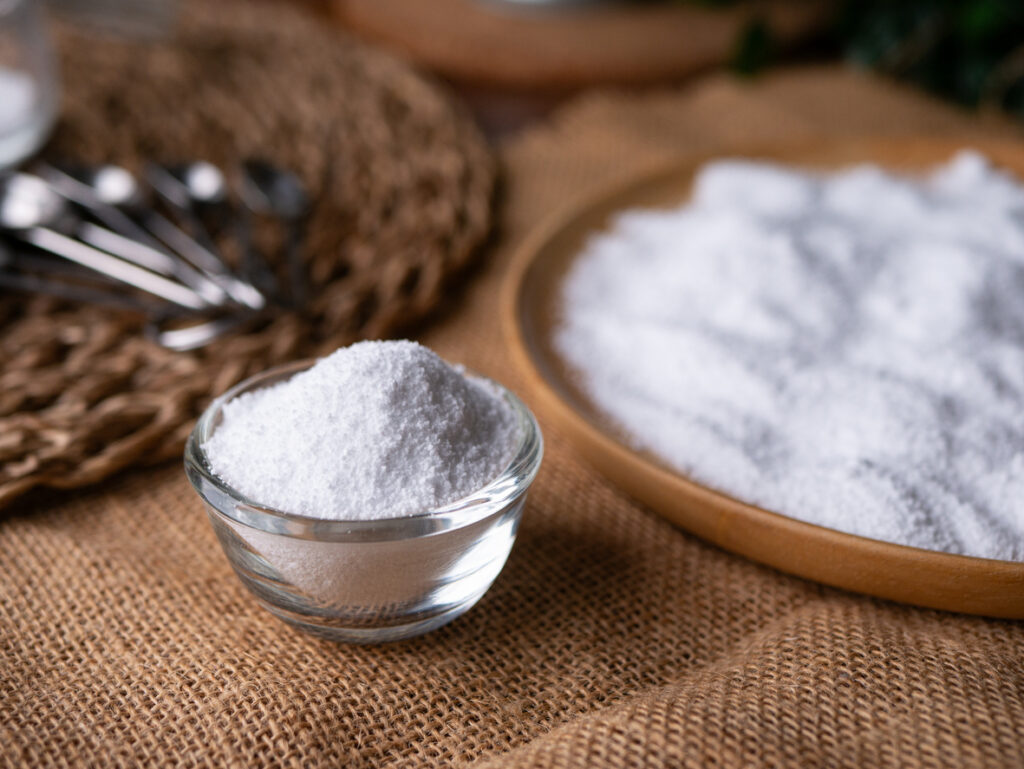
Tapioca maltodextrin begins its journey through the enzymatic hydrolysis of tapioca starch. This controlled process breaks down the starch into short-chain polysaccharides, creating a fine, white powder with minimal sweetness. The enzymatic treatment produces a neutral-tasting ingredient that dissolves readily in water and offers excellent carrier properties for active ingredients.
Tapioca syrup solids follow a different path. Manufacturers start with liquid tapioca syrup, which undergoes a drying process to create a powder form. This syrup has a higher dextrose equivalent (DE) than maltodextrin, meaning it contains more simple sugars. The result is a slightly sweet powder with a carbohydrate profile that includes both simple and complex sugars. For formulators prioritizing transparency, organic tapioca syrup solids meet both functional and marketing demands.
| Characteristic | Tapioca Maltodextrin | Tapioca Syrup Solids |
| Starting Point | Starch (direct) | Starch → converted to syrup → dried into solids |
| Processing Method | Enzymatic hydrolysis of starch | Drying of liquid tapioca syrup (which is also produced via starch hydrolysis) |
| Dextrose Equivalent (DE) | Lower (typically 10–20) | Higher (typically 20–45) |
| Carbohydrate Complexity | Primarily longer-chain polysaccharides | Mix of simple and complex sugars |
| Sweetness Level | Minimal to none | Mild |
This fundamental difference in degree of hydrolysis and carbohydrate complexity directly affects how each ingredient behaves in formulations — influencing taste, solubility, and performance.
If you’re evaluating tapioca‑based fillers for your next formulation,
Explore Vego Naturals’ full line of maltodextrins & syrup solids to compare DE values, organic vs non‑organic options.
Functional Properties & Use Cases in Supplement Manufacturing
Organic tapioca maltodextrin and organic tapioca syrup solids offer a range of benefits that make them highly valuable in supplement manufacturing. From improving processing efficiency to enhancing texture and stability, these ingredients support both clean-label demands and large-scale production needs.
Below are some of the key ways they are applied across the industry.
Neutral Taste & Bulking in Powders
Organic tapioca maltodextrin works exceptionally well in powdered supplements where a neutral taste and smooth processing are critical. Acting as a bulking agent, it provides necessary volume without adding unwanted flavors that could interfere with carefully balanced taste profiles. This makes tapioca maltodextrin a preferred option for clean-label formulations.
Flowability for Encapsulation & Tablet Production
Organic Tapioca maltodextrin’s excellent flowability ensures consistent material movement through processing equipment, which is essential for encapsulation and tablet manufacturing. By reducing production inefficiencies and helping maintain uniform dosing, it supports high-volume manufacturing. Many producers purchase maltodextrin in bulk to further streamline operations and lower per-unit costs.
Carrier Properties for Protecting Actives
Organic tapioca maltodextrin is highly effective as a carrier for sensitive active ingredients. In spray-dried extracts or encapsulated oils, it forms a protective matrix that guards against moisture and oxidation. Research also shows that maltodextrins with lower DE values tend to offer higher glass transition temperatures and more stable particle morphology — qualities that improve performance in spray-drying and encapsulation systems.
Fat Mimetic Functionality
Its fat-mimicking properties allow formulators to create creamy textures in powdered products without relying on actual fats. This not only improves mouthfeel but also simplifies shelf stability and processing.
Tapioca Syrup Solids for Binding & Sweetness
When binding, sweetness, and textural control are priorities, organic tapioca syrup solids provide an effective solution. They serve as natural binders and mild sweeteners in chewable supplements, bars, and granola clusters. Compared to alternatives such as rice syrup solids, they may also offer advantages in glycemic impact and cost-effectiveness.
Natural Sweetness Advantages
The subtle sweetness of tapioca syrup solids is especially appealing in children’s supplements and products marketed toward consumers seeking natural flavor solutions. They deliver a touch of sweetness without added sugars or artificial sweeteners, supporting clean-label goals.
Moisture Control & Textural Support
Tapioca syrup solids also enhance stability and texture in a variety of applications. In ready-to-mix powders and functional beverages, they help regulate moisture and act as a freeze-point depressant. In gummies, they contribute to the desired chewy texture while aligning with clean-label positioning.
Regulatory, Labeling, and Allergen Considerations
Both tapioca maltodextrin and tapioca syrup solids offer significant regulatory advantages for supplement makers. They’re naturally gluten-free and available in non-GMO and certified organic forms, supporting clean-label formulations that appeal to health-conscious consumers. This organic tapioca often commands a premium price compared to conventional corn-based alternatives.
Their allergen profile provides exceptional market accessibility. Free from corn, soy, dairy, and nuts, these ingredients simplify regulatory compliance while opening doors to sensitive populations, including children and people with digestive sensitivities. This broad compatibility reduces the risk of adverse reactions that could impact brand reputation or limit distribution channels.
Both ingredients carry Generally Recognized As Safe (GRAS) status from the FDA, streamlining regulatory approval processes. Many suppliers now offer Cronobacter-free versions, which becomes critical for applications in infant nutrition or products targeting immunocompromised consumers. These safety certifications provide additional assurance for manufacturers in highly regulated markets.
Glycemic Impact, Stability & Formulation Trade-Offs
Both tapioca-derived ingredients are high-glycemic, providing rapid carbohydrate absorption that can be valuable for energy products targeting athletes or active consumers.
However, this same characteristic makes them less suitable for products marketed to populations with blood sugar sensitivity, including diabetics and those following low-glycemic diets.
Choose tapioca maltodextrin when your formulation priorities include:
- Neutral taste that won’t interfere with flavor systems
- Superior bulk and flow properties for powder or capsule manufacturing
- Encapsulation or spray-drying processes that benefit from protective carrier properties
- Applications where moisture sensitivity requires careful control
- Products where fat mimetic properties can be improved without added fats
Opt for tapioca syrup solids when your product requirements emphasize:
- Light sweetness that enhances natural flavor
- Binding for bars, clusters, or pressed tablets
- Moisture control that enhances shelf life for moisture-rich products
- Chewy or adhesive textures in gummies or chewable supplements
- Freeze-point depression for processing advantages
Formulators must consider how each ingredient performs under different storage conditions and environmental stresses. Tapioca maltodextrin typically offers superior stability in dry applications, while tapioca syrup solids excel in controlled-moisture environments. Solubility characteristics also differ — maltodextrin dissolves more readily in cold water, while syrup solids may require more agitation or heat to dissolve completely.
The decision between these ingredients should align with your manufacturing setup and quality control capabilities. Consider factors such as mixing equipment, packaging materials, storage conditions, and the expected shelf life when making your selection. Teams looking to buy maltodextrin online should also verify supplier certifications and batch-level traceability.
Making the Right Choice for Your Formulation
Both organic tapioca maltodextrin and tapioca syrup solids offer compelling advantages for supplement manufacturers seeking plant-based, clean-label functionality. Your choice should align with specific formulation goals and manufacturing requirements rather than following industry trends alone.
Select tapioca maltodextrin for applications requiring neutral carriers, superior flow properties, and protective matrices for sensitive ingredients. If you’re developing a maltodextrin supplement, these characteristics make tapioca a highly functional and label-friendly choice. This ingredient excels in powders, capsules, and dry drink mixes where bulk, stability, and processing efficiency drive success.
Choose tapioca syrup solids when your product benefits from mild sweetness, binding properties, or textural enhancement. These solids prove invaluable for chewables, bars, and products where moisture control and adhesion support the consumer experience.
Partner With Vego Naturals Today
We understand that selecting the right ingredient is a critical decision for your formulations. Our goal at Vego Naturals is to provide you with comprehensive information and high-quality products that empower you to make the best choices for your specific needs.