

Lecithin plays a big role in today’s food and supplement manufacturing. It’s a natural emulsifier that helps products stay stable, smooth, and consistent.
If you work in procurement or R&D, choosing between liquid and powdered lecithin is an important decision. It can affect how smoothly your production runs, how your final product turns out, and even what you end up spending.
Pick the wrong form, and you could run into processing headaches, stability problems, or added costs.
This guide is designed to help you navigate the choice between liquid lecithin vs. powdered lecithin. We’ll explore how lecithin works, detail the unique properties of both liquid and powder formats, and outline their ideal applications.
By understanding these differences, you can make an informed decision that aligns with your specific formulation and operational needs, ensuring optimal performance and a reliable supply chain.
How Does Lecithin Work?
At its core, lecithin is a naturally occurring mixture of phospholipids found in sources like soy and sunflower seeds. Its unique molecular structure, with a water-loving (hydrophilic) head and an oil-loving (hydrophobic) tail, makes it an exceptional emulsifier.
This dual combination allows it to sit at the interface between oil and water, preventing them from separating and creating a stable, homogenous mixture.
For manufacturers, lecithin offers four key functional benefits:
- Emulsification: It creates and stabilizes oil-in-water or water-in-oil emulsions.
- Dispersion: It helps evenly distribute solid particles in a liquid.
- Viscosity reducer: In high-fat systems, it improves flow and workability during production.
- Release agent: It prevents products from sticking to machinery, improving manufacturing efficiency.
The choice between liquid lecithin vs. powdered lecithin is central to these considerations.
Key Differences: Liquid Lecithin vs. Powdered Lecithin
The main difference between liquid and powdered lecithin comes from how they’re processed. They start with the same raw material, like sunflower or soy, but the refining steps leave them with different textures and handling needs.
What Is Liquid Lecithin?
Liquid lecithin is a viscous, amber-colored fluid that represents the most basic form of commercially available lecithin. It’s rich in phospholipids and retains the natural oils from its source. This oil content is what gives lecithin liquid its signature fluid, yet thick, consistency.
From a processing standpoint, liquid lecithin is straightforward to produce, involving minimal drying steps. Its oil-rich nature makes it highly compatible with fat-based systems, allowing for seamless incorporation into formulations like chocolate and confectionery.
| For example: A high-fat chocolate formulation would benefit from lecithin liquid, while a manufacturer producing dry supplement capsules would find powdered lecithin needed for operational efficiency. |
Liquid lecithin may introduce logistical and storage complexities — it typically requires specialized containers, is temperature-sensitive, and may add weight and volume to shipments. These factorscan affect supply chain reliability if cold storage, freight conditions, or offloading capabilities aren’t well aligned.
What Is Powdered Lecithin?
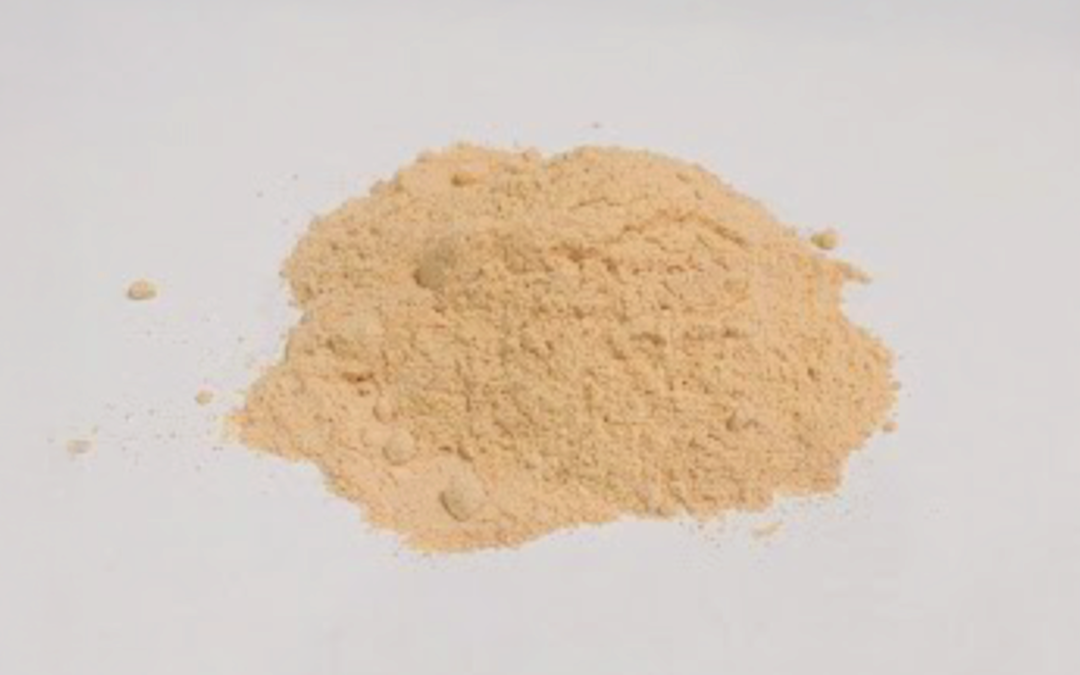
Powdered lecithin is produced by taking lecithin liquid and subjecting it to an additional de-oiling process. This step removes most of the carrier oils, concentrating the active phospholipids. The resulting substance is then dried and milled into a fine, free-flowing powder or granule.
This format offers significant handling advantages. Unlike its viscous liquid counterpart, powdered lecithin is easy to dose accurately, store, and incorporate into dry blends without clumping. Its cleaner handling makes it a great choice when you need precision and easy use.
Additionally, powdered formats often offer greater supply chain flexibility — with longer shelf life, more compact packaging, and compatibility with ambient storage and international shipping. These factors contribute to a more resilient and predictable supply chain, particularly for manufacturers prioritizing consistent availability and simpler logistics.
| 🌱 Sustainability Note: Our lecithins are sourced from traceable, non-GMO soy and sunflower crops. Many of our suppliers use renewable energy and eco-conscious refining practices, helping you meet clean label and ESG goals without compromising performance. |
| Feature | Liquid Lecithin | Powdered Lecithin |
| Form | Viscous liquid | Free-flowing powder or granules |
| Solubility | Oil-soluble, dispersible in water | Water-dispersible, better for dry blends |
| Handling | Can be sticky and difficult to dose | Easy to measure, dose, and handle |
| Storage | Prone to oxidation; may require specific storage conditions | More stable, longer shelf life |
| Phospholipid Content | Standard concentration | Higher, concentrated levels |
| Cost | Lower | Higher due to extra processing |
Why Does Powdered Lecithin Cost More?
The price difference between liquid lecithin vs. powdered lecithin is directly tied to the additional manufacturing steps required to create the powder.
These steps include:
- De-oiling: Removing the oil fraction to concentrate the phospholipids is an intensive process that adds significant cost.
- Drying and milling: The concentrated lecithin must be carefully dried and milled to achieve a consistent, free-flowing powder, requiring specialized equipment and energy.
- Higher concentration: The final powdered product has a higher concentration of active phospholipids, offering more functional power per gram.
- Convenience: The improved handling, dosing accuracy, and stability of powdered lecithin provide operational benefits that are factored into its price.
Applications: When to Use Liquid vs. Powder Lecithin
Choosing between liquid lecithin vs. powdered lecithin ultimately depends on your product’s formulation and your manufacturing process. Each format excels in different applications.
Liquid Lecithin Uses
Liquid lecithin is the go-to choice for oil-based and high-fat formulations. Its oil-soluble nature allows it to integrate seamlessly, providing powerful emulsification and viscosity control.
Ideal applications for liquid lecithin uses include:
- Chocolate and confectionery: It reduces viscosity, preventing “bloom” and ensuring a smooth, uniform texture.
- Spreads and margarine: It creates a stable emulsion, preventing oil and water from separating over time.
- Bakery goods: In doughs, it improves machinability, volume, and shelf life.
- Emulsified sauces and dressings: It ensures a consistent, homogenous product.
The primary advantage of lecithin liquid in these contexts is its ability to blend easily into the fat phase of a wet processing system.
Powdered Lecithin Uses
Powdered lecithin is the superior option for dry mixes, supplements, and applications where precise dosing and clean handling are important. Its free-flowing nature prevents clumping and ensures even distribution — especially when working with plant-based ingredients.
Ideal applications include:
- Dry blends and bakery premixes: It can be added directly to flour and other dry ingredients for easy mixing.
- Dietary supplements (capsules and tablets): Its concentrated form allows for smaller, more potent doses.
- Instant powders (protein, meal replacements): It acts as a dispersant, helping the powder dissolve quickly and completely in liquid.
- Nutraceuticals: It provides a clean, easy-to-handle emulsifier for sensitive formulations.
Making the Right Choice
To decide between liquid lecithin vs. powdered lecithin, evaluate these three factors:
- Product base: Is your formulation primarily oil-based, water-based, or a dry mix?.
- Production method: Does your process involve wet mixing or dry blending? Align the lecithin format with your equipment and handling capabilities.
- Cost and stability: Weigh the higher cost of powdered lecithin against its benefits in handling, stability, certifications, and supplier transparency.
Optimize Your Formulation With the Right Lecithin
Understanding the differences between liquid and powdered lecithin is key to optimizing product quality and manufacturing efficiency. Liquid lecithin offers a cost-effective, powerful solution for oil-based products, while powdered lecithin provides unparalleled ease of handling, precision, and stability for dry blends and supplements.
Partnering With a Manufacturer for Your Lecithin Needs
We understand that transparency and reliability are non-negotiable. We specialize in helping R&D and procurement teams navigate the liquid vs. powdered lecithin debate, ensuring you get certified organic and non-GMO ingredients when you need them.
If you’re still evaluating which lecithin format is suitable for your facility or need samples to compare performance, our technical team is ready to assist today.