
In today’s complex and interconnected supply chain, traceability isn’t just a nice-to-have. It’s a non-negotiable. With consumer expectations rising and regulatory frameworks tightening, sourcing transparency has become a cornerstone of responsible procurement.
Lecithin is a prime example as a key emulsifier found across food, beverage, supplement, and nutraceutical applications. Though widely used, few buyers are fully aware of where their lecithin originates. And even fewer realize that most traceability conversations stop at the point of processing, not where the crude material is sourced.
In this post, we’ll cover how lecithin is sourced, why crude origin matters, and how to ensure your supply chain aligns with your brand’s values and compliance standards.
Lecithin 101: What It Is and How It’s Sourced
Lecithin is a multifunctional, naturally derived emulsifier used to improve texture, extend shelf life, and stabilize formulations. Sunflower lecithin is favored for its non-allergenic, soy-free profile and is especially valued in clean-label formulations.
But not all lecithin is created equal, and understanding how it’s sourced is essential:
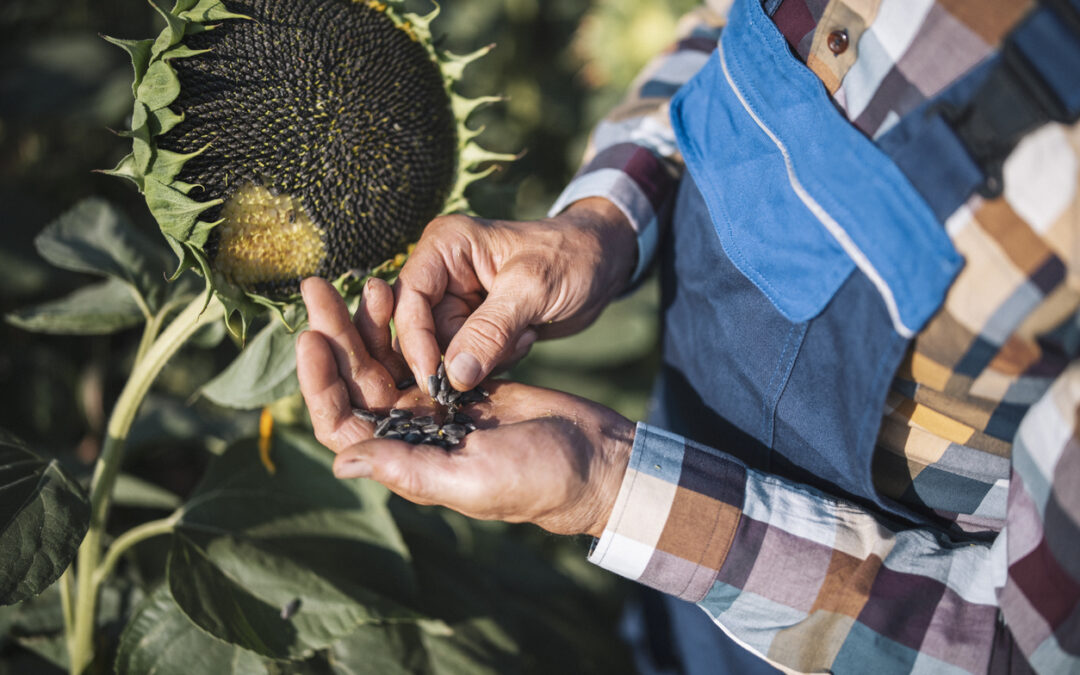
- Crude Extraction: Sunflower seeds are mechanically pressed or solvent-extracted to obtain crude sunflower oil. Lecithin is then separated from this oil. This is the true origin of the product.
- Processing & Refining: The crude lecithin undergoes degumming, filtration, and other treatments to reach the desired format of liquid, deoiled powder, or granulated.
- Final Format: The end product may look uniform, but the journey it’s taken can vary drastically in terms of ethics, compliance, and quality.
Too often, buyers evaluate lecithin based on where it was refined or packaged instead of where the crude material was grown and extracted. That’s a critical oversight.
The Global Lecithin Supply Chain
While Europe remains a processing hub for lecithin, a large percentage of crude sunflower lecithin originates in Russia and China. In many cases, material extracted in these regions is shipped to Eastern Europe or Asia for refining, and then re-exported under “European origin” labels.
This practice, while technically legal, can create a misleading picture of the true source, especially for buyers who prioritize non-GMO, organic, or geopolitically neutral sourcing.
Why Lecithin Origin Matters
Regulatory
Organic and non-GMO certifications are only as strong as the traceability behind them. For true compliance, the entire supply chain must be documented and verified. Without this, certifications may not hold up to audits or label claims.
Quality
Crude lecithin is highly sensitive to storage and transport conditions. Material that travels long distances without proper controls may degrade or become contaminated, impacting both safety and functionality.
Ethical
For brands committed to sustainability, responsible agriculture, or avoiding high-risk regions, the upstream source of crude lecithin is a key consideration. This is especially true for companies looking to reduce their environmental and geopolitical footprint.
Ask the Right Questions as a Buyer
To safeguard your brand and ensure compliance, go beyond spec sheets. Here are some essential questions to ask your lecithin supplier:
- Can you verify the origin of the crude lecithin, not just where it’s processed?
- Are organic and non-GMO certifications linked to the entire supply chain?
- What traceability documentation is available?
- Are your sourcing and processing partnerships transparent and auditable?
What to Look For: Transparent Lecithin Manufacturing & Sourcing
Transparency should be built into the supply model and not treated as an afterthought. Here’s what ethical and traceable lecithin sourcing looks like:
- No Crude Lecithin From Russia or China
Avoid high-risk lecithin producers to ensure integrity, regulatory compliance, and alignment with customer values. - Certified Partners (EU and USDA Organic)
Work exclusively with partners who uphold strict organic and non-GMO standards from field to finish. - Full Traceability
Long-term supplier relationships enable documentation from seed source through final delivery. - Value-Added Service
From custom lecithin formats to milestone shipping updates and regulatory support, aim to reduce your soft costs while increasing supply chain confidence.
Trust Built on Transparency
Lecithin sourcing isn’t just a procurement decision, it’s also a reflection of your brand’s integrity.
In an era where consumers and regulators demand more visibility, full-traceability lecithin protects your brand, strengthens customer trust, and helps you meet both ethical and operational goals.