

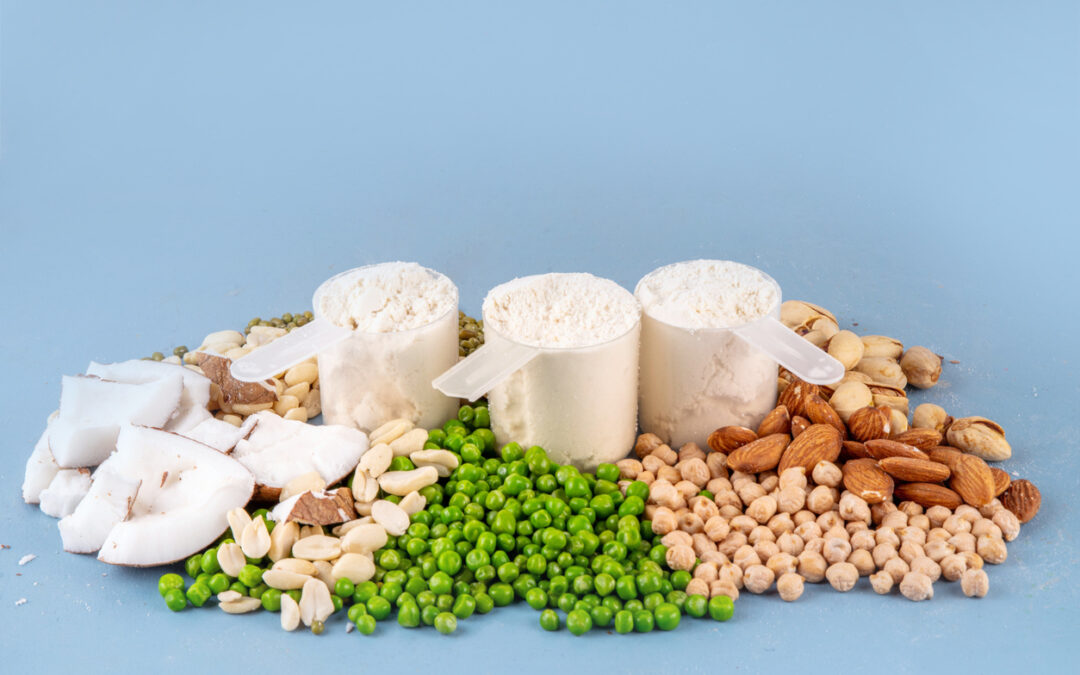
The days of gritty, earthy-tasting protein powders are behind us. Consumers today demand more from their nutrition. They want clean labels, exceptional taste, and high performance, all without compromising on sustainability. For R&D and procurement teams, this shift represents both a challenge and an opportunity. The current plant-based protein market is evolving rapidly, moving away from simple commodity sourcing toward highly functional, specialized ingredients.
Navigating this landscape requires more than just finding a supplier; it requires a partner who understands the nuances of formulation. While soy and pea remain industry staples, the real innovation is happening in the margins. Emerging crops and processing technologies are unlocking new possibilities for alternative protein foods. However, improved visibility into these ingredients is often lacking, making it difficult for brands to scale.
Whether you are reformulating an existing product or launching a new line, understanding where the plant-based protein trends are heading is the first step toward securing a competitive advantage.
3 Big Trends Shaping the Future of Plant Protein
To stay ahead in the plant-based protein market, brands must look beyond the basics. The most significant shift occurring is the demand for “high-performance” proteins. It is no longer enough for a product to be vegan; it must also be soluble, have a neutral flavor profile, and provide a complete amino acid profile. This is driving R&D teams to explore new plant-based protein trends that prioritize sensory experience alongside nutrition.
Here are the top three trends currently redefining the industry:
1. Complementary & Hybrid Innovations
Some innovation combines plant proteins with fermentation or cultivated ingredients to enhance nutrition and sensory appeal. These hybrid approaches appeal to flexitarians and mainstream consumers seeking improved taste and function.
2. Sustainability and Upcycling
Consumers are increasingly asking questions about where their food comes from. Sourcing transparency is now a major aspect of the plant-based protein market. There is a rise in upcycled ingredients — proteins derived from the byproducts of other food processes. These options resonate with eco-conscious shoppers and offer a compelling story for marketing teams.
3. The Importance of Market Mapping in Plant Protein
Identifying scalable opportunities in plant protein trends can be complex. A solution-focused approach involves stress-testing ingredients in real-world applications to ensure they are not only aligned with current trends but also commercially viable and supply-secure. Effective market mapping helps businesses make confident decisions, driving growth in the competitive plant-based protein space.
| VEGO’s Role in Navigating Plant Protein Trends As a trusted plant-based ingredient partner, we help our customers identify which plant protein innovations are truly ready for scale. That means going beyond buzzwords to validate commercial viability, supply security, and real-world functionality in your application. |
Emerging Plant Proteins Worth Watching
Innovation is blooming in the field of alternative protein foods. While some ingredients are still in their infancy, others are ready for prime time.
Here are the categories procurement and R&D teams should keep on their radar:
Underutilized Seed Proteins
Seeds are gaining traction because they often offer cleaner labels and greater functional versatility.
- Pumpkin seed protein: Known for its pleasing, nutty flavor and rich mineral content.
- Sunflower seed protein: Offers excellent digestibility and blends well in formulations.
- Watermelon seed protein: A rising star in plant protein trends due to its high protein density.
These options are often allergen-friendly, making them attractive for brands looking to for “free-from” status on their packaging.
The New Wave of Pulses
Pulses are evolving. Fava beans, chickpeas, and lupins are gaining traction as processing methods improve. These ingredients are shaping current plant-based protein trends by offering strong nutritional profiles and improving sensory performance.
Fava bean, in particular, is becoming a favorite for its ability to provide texture in meat analogues without off-notes.
Specialty Grains and Alternative Sources
Ancient grains like quinoa and oats are moving from carbohydrate sources to protein concentrates.
Additionally, the plant-based protein market is seeing early movement in microalgae and microbial proteins. These are potent sustainability players that require a fraction of the land and water used by traditional crops.
Functional Innovation Driving Next-Gen Formulations
The success of alternative protein foods often hinges on one factor: experience. If a ready-to-drink (RTD) shake feels chalky, the consumer won’t buy it again. Functional innovation — including the use of emulsifiers like lecithins — is the engine driving current trends in plant protein.
Solubility and Dispersibility
One of the biggest hurdles in the plant-based protein market has been solubility. New processing technologies are creating protein isolates that disperse instantly in liquid. This is crucial for the high-dose powders and clear protein drinks that are currently dominating plant-based protein trends.
Addressing Taste and Texture
Advanced processing and blending techniques are solving the “beany” flavor issues that plagued early plant proteins. By combining specific alternative protein foods, formulators can mask off-notes naturally. This reduces the need for heavy sweeteners or artificial flavorings, keeping the label clean.
Digestibility and Protein Quality
Bioavailability is a major focus for the health-conscious consumer. Fermentation and sprouting are processing methods that make plant proteins easier to digest. Forward-thinking plant-based protein companies should provide access to these advanced ingredients that prioritize gut health.
| VEGO’s R&D Toolbox Our application specialists will help you develop a custom VegoPro protein system to solve formulation challenges. |
Strategic Implications for Supplement & Wellness Brands
For decision-makers, the message is clear: standing still is not an option. The plant-based protein market is too competitive to rely on outdated formulas. Brands should have a diversified, sustainable protein portfolios to survive.
Evaluating Emerging Proteins
How should you approach these new ingredients? This two-step process can help:
- Map current reliance: Identify where your supply chain is vulnerable.
- Shortlist options: Look at plant-based protein trends that align with your brand ethos.
The Advantage of A Partnership
A strategic partnership provides more than just a catalog of alternative protein foods; it offers a clear path to commercialization. This includes the technical documentation, sustainability data, and supply chain assurance needed to launch with confidence. Leveraging expert insights into plant protein trends can significantly reduce time-to-market.
Innovating for a Sustainable Future
The future of the industry lies in diversification, functionality, and sustainability. The plant-based protein market is rewarding brands that are willing to innovate and improve the quality of alternative protein foods available to consumers. By proactively exploring these plant protein trends, your brand can stay competitive and resilient.
Stay Ahead of the Curve with VEGO
Don’t let supply chain uncertainty or formulation challenges hold you back. As your partner and preferred plant-based protein company, VEGO is ready to support your next breakthrough. Whether you need samples of emerging ingredients or technical guidance on plant-based protein trends, we are here to help. Contact us today to start your next formulation project.