

Formulating with VegoPro Sunflower, Pumpkin, and Watermelon Seed Proteins
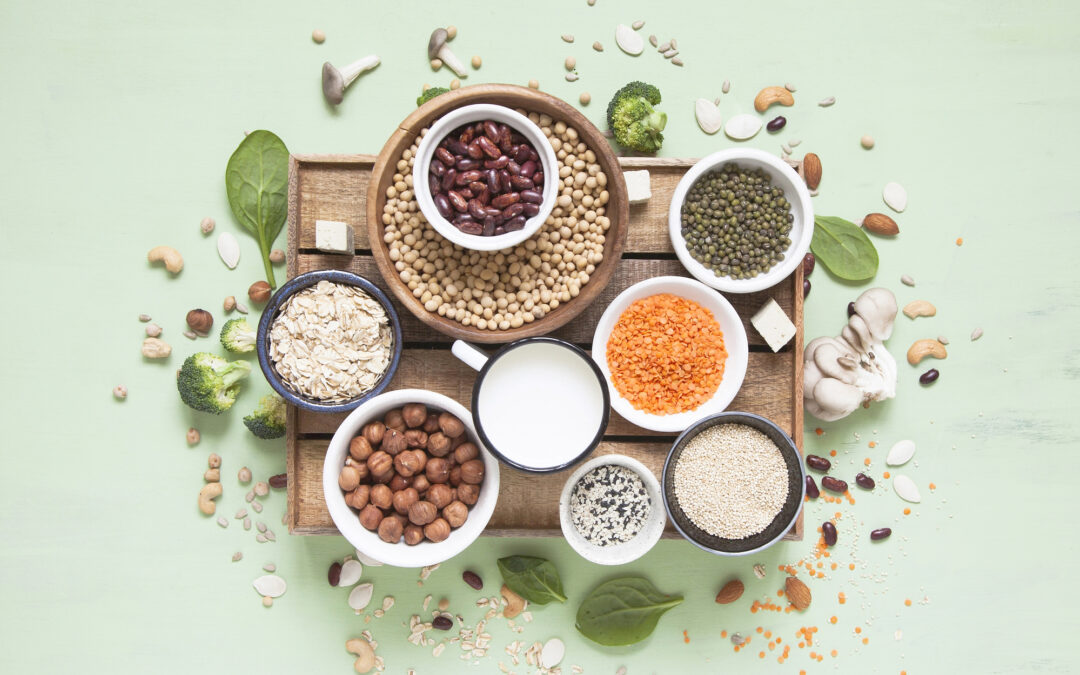
The plant-based protein market is shifting. As consumers demand cleaner labels and allergen-friendly options, seed-based proteins are stepping into the sunlight.
Unlike traditional sources like soy or pea, seed proteins offer unique nutritional profiles, functional versatility, and hypoallergenic properties, which appeal to both formulators and end consumers.
VegoPro seed-based proteins are designed to meet these evolving needs. This article explores the functional benefits of three key ingredients:
- Sunflower seed protein
- Pumpkin seed protein
- Watermelon seed protein
We’ll examine their nutritional strengths, formulation performance, and practical application considerations to help you determine which seed protein or blend best fits your next product innovation.
Watermelon Seed Protein: Functional Benefits
Watermelon seed protein is gaining traction as a nutrient-dense, plant-based ingredient with unique functional properties. Its mild flavor and impressive versatility make it an excellent addition to a wide range of formulations, particularly for clean-label and high-protein products.
Light, Neutral Nutritional Option
Watermelon seed protein is a complete plant protein source, meaning it contains all nine essential amino acids in sufficient quantities. This is a rare quality among plant proteins, making watermelon seed protein a standout option for formulators seeking a nutritionally complete ingredient.
It’s hypoallergenic, gluten-free, and soy-free, addressing multiple dietary restrictions in a single ingredient. This broad compatibility makes it idea lfor a wide range of applications, from clinical nutrition to mainstream consumer products.
Digestibility and Consumer Appeal
Protein in watermelon seeds is highly digestible and well-tolerated. It doesn’t cause bloating or digestive discomfort, which are common concerns with some plant proteins. This makes watermelon seed protein ideal for sensitive consumers or products marketed for gut health.
Its growing popularity in clean-label foods reflects consumer interest in novel, sustainable protein sources. Watermelon seed protein offers a sustainability and innovation story that resonates with modern buyers.
Functional Traits
Watermelon seed protein has a smooth texture and high solubility, making it ideal for beverages and powdered mixes. It dissolves easily without clumping, creating a pleasant drinking experience. This solubility also supports even distribution in formulations, which is critical for consistent product quality.
Its neutral flavor profile is one of its most substantial functional advantages. Watermelon seed protein doesn’t introduce unwanted tastes, making it suitable for products where flavor precision matters, such as:
- Protein waters
Ready-to-drink shakes - Flavored nutritional powders.
Formulation Considerations
Watermelon seed protein contributes a creamy mouthfeel, enhancing the sensory experience of beverages and dairy alternatives. It can also be blended with other seed proteins to create a more robust amino acid profile or to adjust texture and viscosity.
Because of its mild flavor and smooth texture, watermelon seed protein is particularly well -suited for products targeting mainstream consumers who may be new to plant-based nutrition.
Sunflower Seed Protein: Functional Benefits
This versatile ingredient offers compelling nutritional benefits, functional properties, and formulation considerations for product developers.
🌻Nutritional Profile
Sunflower seed protein delivers a balanced amino acid profile that supports muscle recovery and general health. It’s naturally rich in vitamin E, a powerful antioxidant. This makes it attractive for sports nutrition and wellness-focused formulations.
The protein in sunflower seeds is also free of common allergens such as …
- Soy
- Dairy
- Gluten
… making it a safe choice for sensitive populations. Its clean nutritional composition aligns well with clean-label product strategies.
🌻Digestibility and Absorption
Sunflower seed protein is gentle on digestion. It doesn’t contain the anti-nutritional factors found in some legumes, which can interfere with nutrient absorption. This ease of digestion makes it suitable for children’s nutrition, senior wellness products, and anyone seeking an easily absorbed plant-based protein.
Because it’s hypoallergenic, sunflower seed protein can be used in formulations targeting consumers with multiple dietary restrictions or sensitivities.
🌻 Functional Properties
From a formulation standpoint, sunflower seed protein offers good emulsification and water-binding abilities. These properties make it effective in bakery applications, where it can improve texture and moisture retention. It also performs well in plant-based dairy alternatives, contributing to creaminess and stability.
Its mild flavor profile is another advantage. Unlike some plant proteins that carry earthy or bitter notes, sunflower seed protein blends smoothly into formulations without overpowering other ingredients.
🌻 Formulation Considerations
While sunflower seed protein is naturally low in lysine, this deficiency can be addressed by blending it with complementary proteins such as pumpkin or pea. These blends enhance the overall amino acid balance, creating a more complete nutritional profile.
Its neutral taste and light color make it ideal for products where flavor and appearance are critical, such as:
- Protein bars
- Smoothies
- Baked goods
Pumpkin Seed Protein: Functional Benefits
Pumpkin seed protein is a powerhouse ingredient that offers a range of functional benefits, making it a standout choice for diverse applications. From its impressive nutrient density to unique bioactive properties, pumpkin seed protein brings much to the table.
Nutrient Density
Pumpkin seed protein stands out for its mineral content. It’s naturally high in iron, magnesium, and zinc — nutrients that support immune function, energy metabolism, and bone health. This nutrient density makes it a valuable addition to fortified foods and wellness-focused supplements.
Beyond their mineral content, pumpkin seeds are a rich source of protein, healthy fats, and dietary fiber, all of which contribute to satisfaction and digestive health.
Bioactive Properties
The benefits of pumpkin seed protein powder extend beyond basic nutrition. Pumpkin seeds contain bioactive compounds that naturally support heart health and metabolic wellness. Antioxidants present in the seeds help combat inflammation and oxidative stress, making organic pumpkin seed protein a functional ingredient for longevity-focused products.
These properties position pumpkin seed protein as more than just a protein source — it’s an ingredient with measurable health benefits.
Functional Performance
Are pumpkin seeds high in protein? Yes, and they also contribute to formulation performance.
Pumpkin seed protein supports thickening and viscosity in formulations, which is particularly useful in nutrition bars, smoothies, and plant-based yogurts. It helps bind ingredients together, improving texture and mouthfeel.
Its ability to retain moisture also makes it a strong performer in baked goods, where it can prolong shelf life and prevent dryness.
Formulation Considerations
Pumpkin seed protein has a slightly earthy flavor profile that pairs well with bold, natural flavors like chocolate, cinnamon, or berries. It’s less suited for delicate or neutral-tasting formulations unless blended with milder proteins.
Blending pumpkin seed protein with pea or rice proteins can balance the flavor while improving the amino acid profile. This makes it a versatile ingredient in multisource protein blends.
Cross-Seed Comparisons and Application Synergy
When creating new plant-based products, it’s important to understand how different seed proteins work together.
Combining the right ingredients helps improve texture, function, and nutrition to meet consumer needs.
Application Recommendations
Here’s a quick overview of ideal applications for each seed protein:
| Seed Protein | Best Applications | Key Functional Traits |
| Sunflower | Bakery, dairy alternatives, bars | Emulsification, mild flavor, antioxidant support |
| Pumpkin | Nutrition bars, smoothies, baked goods | Thickening, mineral density, and moisture retention |
| Watermelon | Beverages, powdered mixes, protein waters | High solubility, neutral flavor, creamy mouthfeel |
Together, these seed proteins enable manufacturers to develop cleaner plant-based products across diverse food and beverage categories — all while maintaining desirable texture, flavor, and nutritional integrity.
Unlock the Potential of Seed-Based Proteins
Seed proteins combine nutrition, functionality, and versatility.
From the antioxidant benefits and mild flavor of sunflower seed protein to the mineral-rich, texture-enhancing properties of pumpkin seed protein, and the complete nutrition and neutral taste of watermelon seed protein, these options offer a unique blend of health and performance.
Elevate Your Plant-Based Products with VegoPro™
Ready to take your plant-based formulations to the next level? VegoPro™ offers certified organic, non-GMO seed proteins with reliable supply chains and expert technical support.
Connect with us today to see how our solutions can improve your product’s nutrition, functionality, and market appeal.